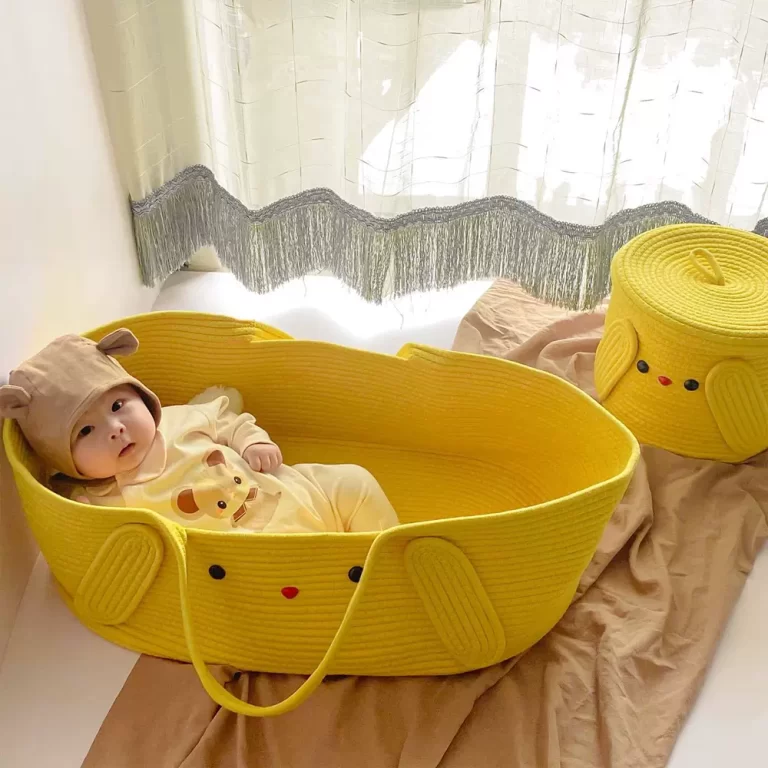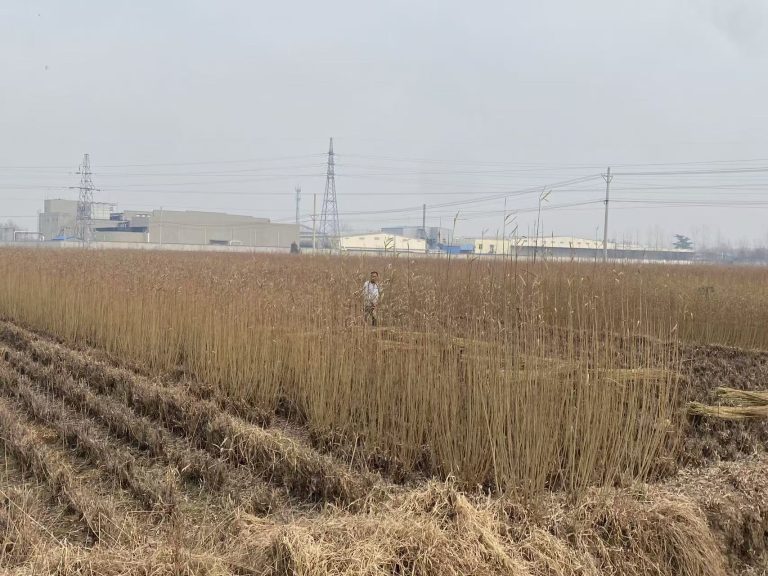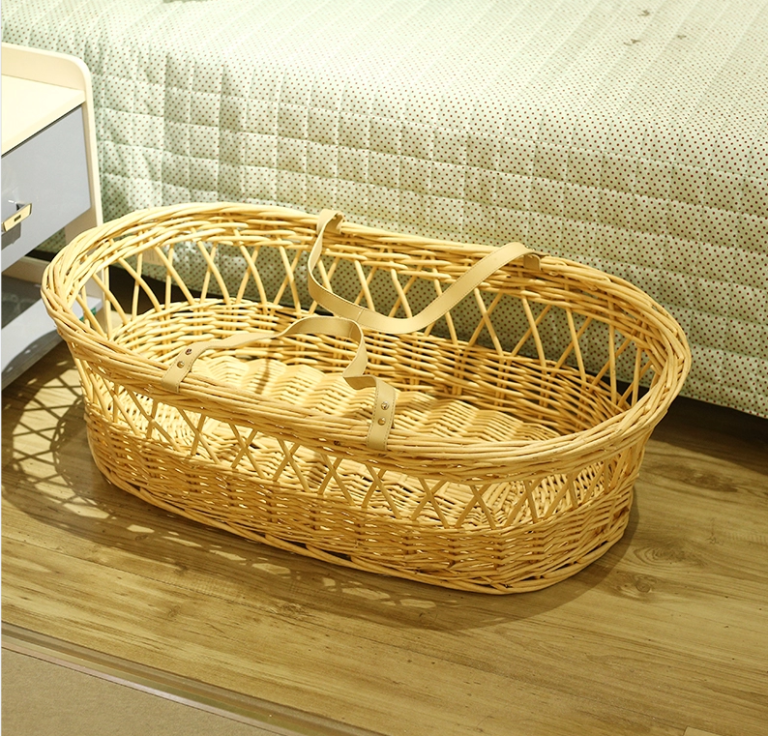
Moses baskets, those charming, portable cradles for newborns, have captivated parents for centuries with their blend of functionality and tradition. Named after the biblical story of baby Moses being placed in a reed basket on the Nile River, these lightweight beds offer a cozy, womb-like environment for infants. From ancient origins to modern innovations, Moses baskets have evolved while maintaining their core appeal: a safe, mobile sleeping space typically used for the first few months of life. This evolution reflects broader cultural shifts in childcare, sustainability, and global manufacturing, with China’s Linyi Linshu emerging as a pivotal hub in the contemporary supply chain.The history of Moses baskets traces back millennia, rooted in practical needs across diverse cultures. In ancient Egypt, as depicted in the Exodus narrative, baskets woven from papyrus or palm leaves served as buoyant carriers for infants, protecting them from environmental hazards.
voucherix.co.uk
Similar designs appeared in African traditions, where Ghanaian artisans in the Bolgatanga region crafted sturdy vessels from elephant grass for carrying and cradling babies, emphasizing natural, breathable materials.
kidoocrafts.com
By the 17th century in Europe, the “Moses basket” gained popularity as a household staple, often made from wicker or willow for its flexibility and durability.
design-encyclopedia.com
These early versions were simple and functional, prioritizing portability over aesthetics. In legends and folklore, such as those from medieval Europe, wicker baskets symbolized protection and humility, appearing in tales of hidden infants or royal foundlings.
kosmopolitan.co.uk
Globally, indigenous communities in Asia and the Americas used analogous woven cradles, adapting local resources like bamboo or reeds, highlighting a universal human ingenuity in infant care.Design evolution has transformed Moses baskets from rudimentary nests to sophisticated nursery essentials. Initially single-layered and basic, they incorporated handles for easy transport by the 19th century, addressing the needs of mobile families.
foryourlittleone.com
The 20th century brought safety enhancements, influenced by pediatric guidelines: reinforced bases, breathable fabrics, and compliance with standards like those from the American Academy of Pediatrics to reduce SIDS risks.
craft-child.com
Materials diversified beyond traditional wicker to include sustainable options like organic palm leaves, wool linings, and eco-friendly synthetics, responding to environmental concerns.
thelittlegreensheep.co.uk +1
Modern designs feature accessories such as rocking stands, hoods for light blocking, and fitted mattresses, enhancing comfort and versatility. In a global market valued at hundreds of millions— with Moses basket stands alone reaching USD 485.2 million in 2024—these innovations cater to urban lifestyles, where space-saving and portability are key.
dataintelo.com
Yet, health experts note potential hazards, like tipping if handles are misused, underscoring the need for evolved safety features.
bmj.com
From a global viewpoint, Moses baskets embody cultural continuity amid diversification. In Western countries like the UK and US, they are favored for their aesthetic appeal and ease in co-sleeping setups, often integrated into minimalist nurseries.
msn.com
In Africa, handmade versions from Ghana remain artisanal treasures, supporting local economies and sustainable harvesting.
kidoocrafts.com
Asia’s influence is profound, with China leading mass production. Linyi Linshu, in Shandong Province, stands out as the “source factory” epicenter, where factories like Roconly (LinYi)Arts & Crafts produce high-quality wicker baskets using renewable willow and straw.
luckywillow .goldsupplier.com +1
This region, home to exporters like LanTian and Phoenixnest, leverages centuries-old weaving techniques while meeting international safety standards, supplying brands worldwide.
alibaba.com +1
Linyi’s factories emphasize sustainability, harvesting eco-friendly materials and innovating designs for global markets, making it a linchpin in the evolution from artisanal to accessible products.As Moses baskets continue to evolve, blending heritage with modernity, their global journey—from ancient reeds to Linyi Linshu’s factories—illustrates humanity’s enduring quest for nurturing the next generation. In an era of sustainability and innovation, these baskets remain timeless symbols of care.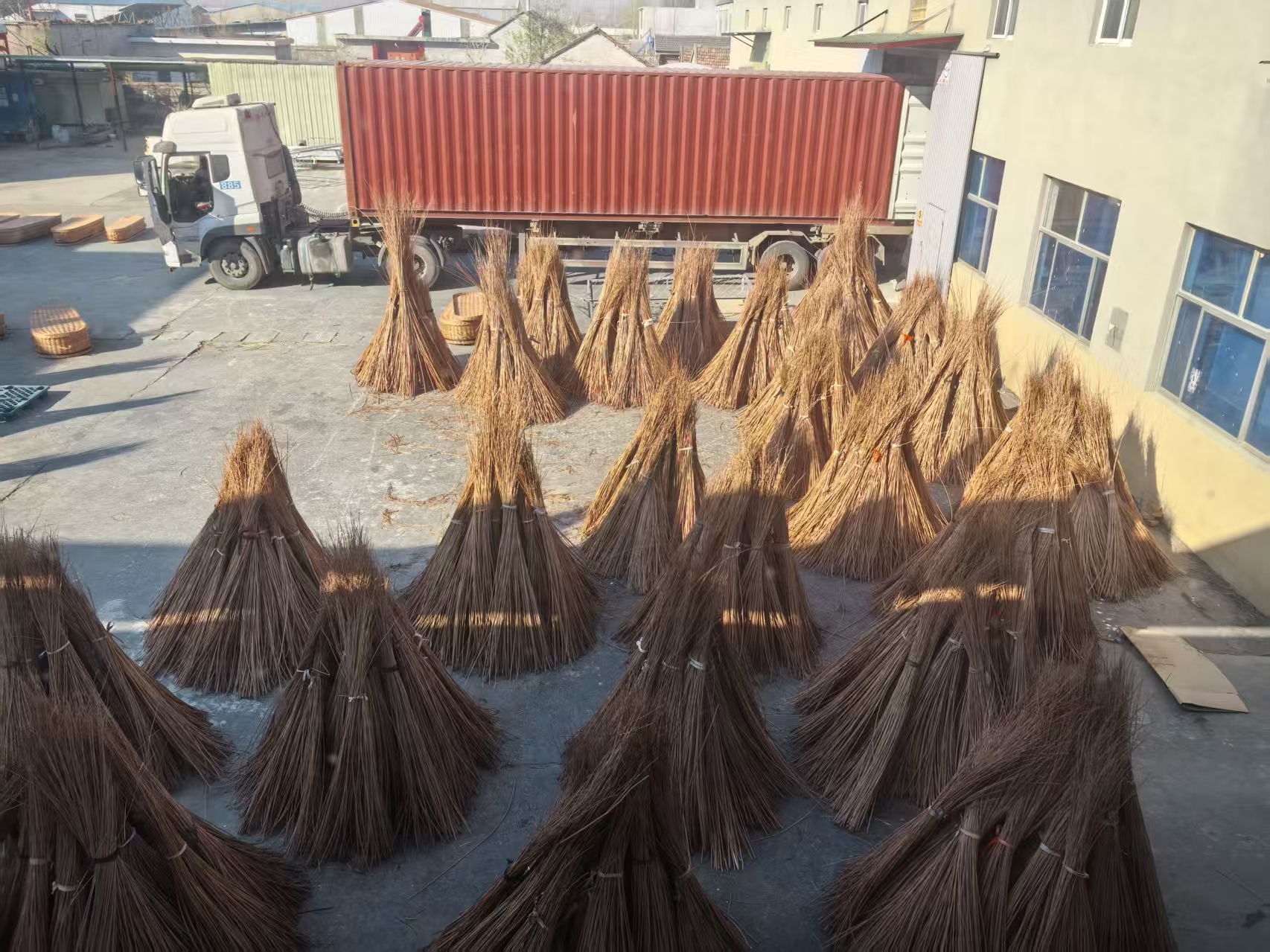
Roconly(LinYi) Crafts Co., Ltd.
Whatsapp: +86-18265103836 (Whatsapp & Wechat & Tel)
Email: info@roconly.com
We are a factory supporting eco friendly green baskets(natural willow coffins\bamboo baskets and so on) .. for detail please contact us www.lantianbasket.com;
#roconlybaskets#willow baskets#Naturalwillow babybasket#handwovenbabybaskets #wickerbassinet#willow KitchenDrawer #willow firewoodbasket#storagebasket #traditionalbasket #handmadewillow basket #wholesalewickerbasket #basketfactory#Moses baskets