In the medieval era, kitchen storage was not merely functional but a testament to human ingenuity with natural materials. Across Europe and Asia, willow emerged as a quintessential resource, weaving its way into the heart of domestic life. Its pliability, strength, and abundance made it ideal for crafting storage solutions that balanced practicality and aesthetics. From rustic baskets to intricate food containers, willow ’s role was pivotal—and today, this legacy is revitalized by Chinese factories in Linyi, bridging historical craftsmanship with global demand.
The Global Medieval willow Craft
In medieval Europe, kitchens relied on willow -based storage for its breathability and durability. willow baskets stored grains, fruits, and utensils, while larger containers like “willow crates” preserved bread and vegetables in cool, dry spaces. The material’s flexibility allowed for woven designs that facilitated air circulation, reducing food spoilage—a critical advantage in an era without modern preservation technology. Simultaneously, in China, willow weaving dates back to the Neolithic era, with artifacts like zhaoli (willow strainers) used for draining food. These innovations reflected a global reliance on willow ’s natural properties, often crafted by local artisans using techniques passed down through generations.
Symbolism and Functionality
willow symbolized resilience and adaptability in medieval culture. Its use in kitchen storage embodied a harmony between nature and daily life. In England, willow baskets were staples in manor kitchens, while in Asia, willow containers adorned households as symbols of prosperity. The material’s biodegradability (a modern premium) was then a mere practicality, yet its cultural significance endured—willow represented hospitality in Chinese traditions and sustainability long before the term existed.
Linyi: The Modern willow Epicenter
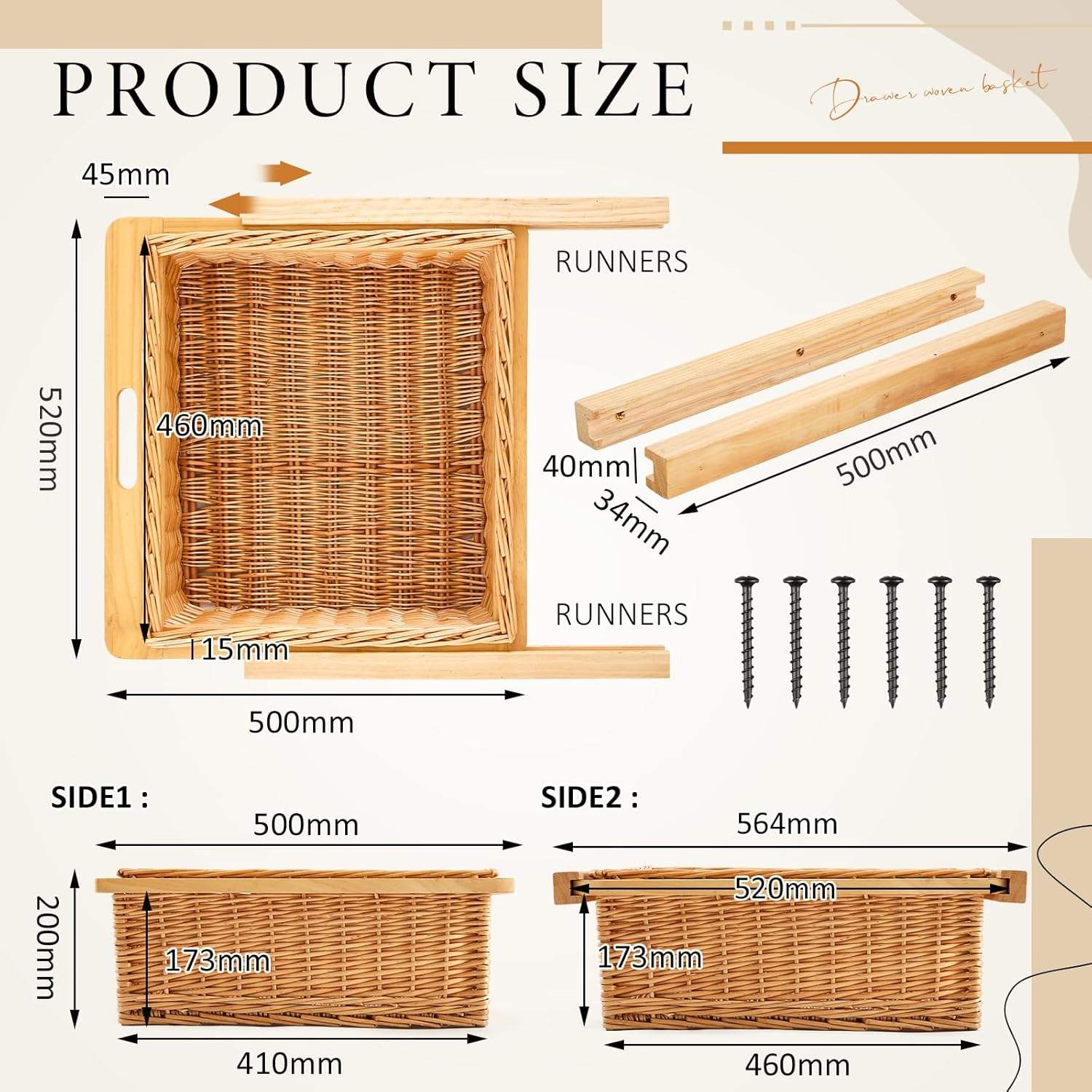
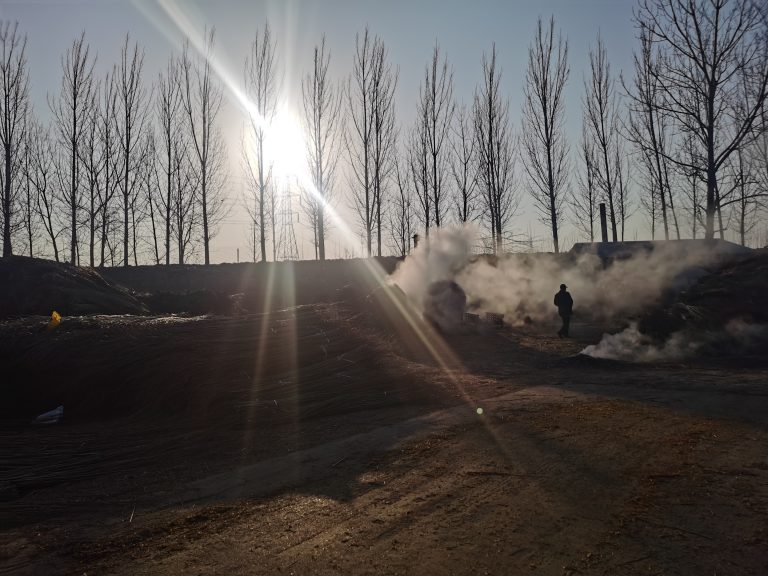
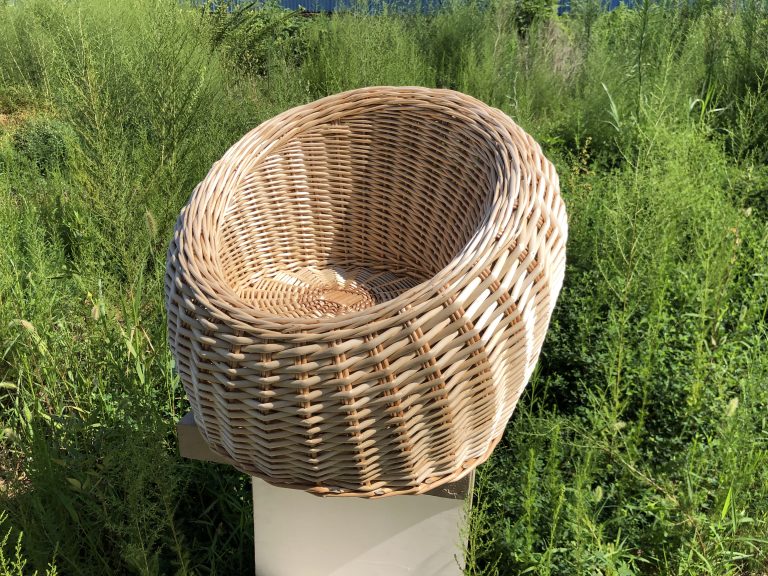
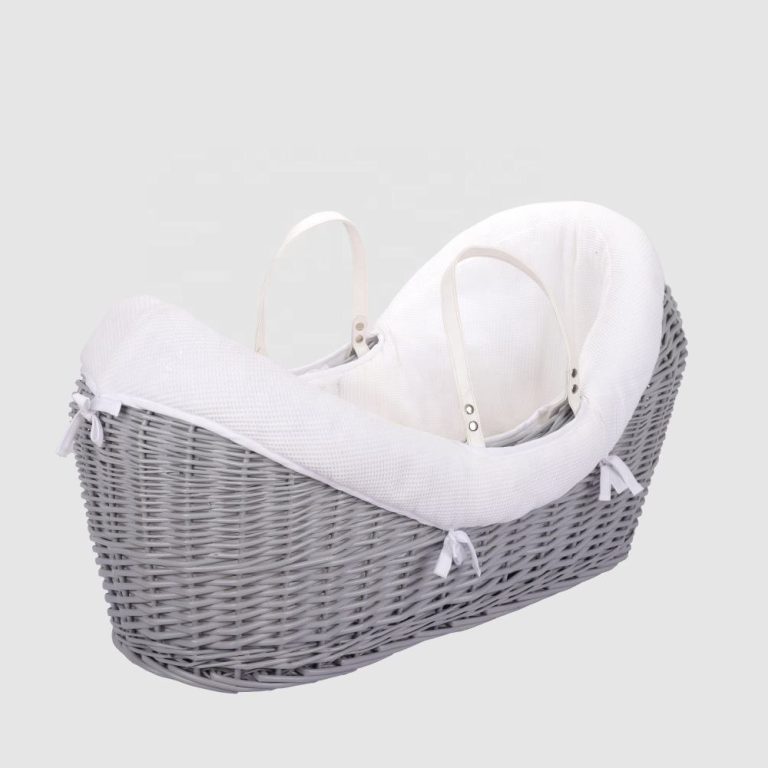
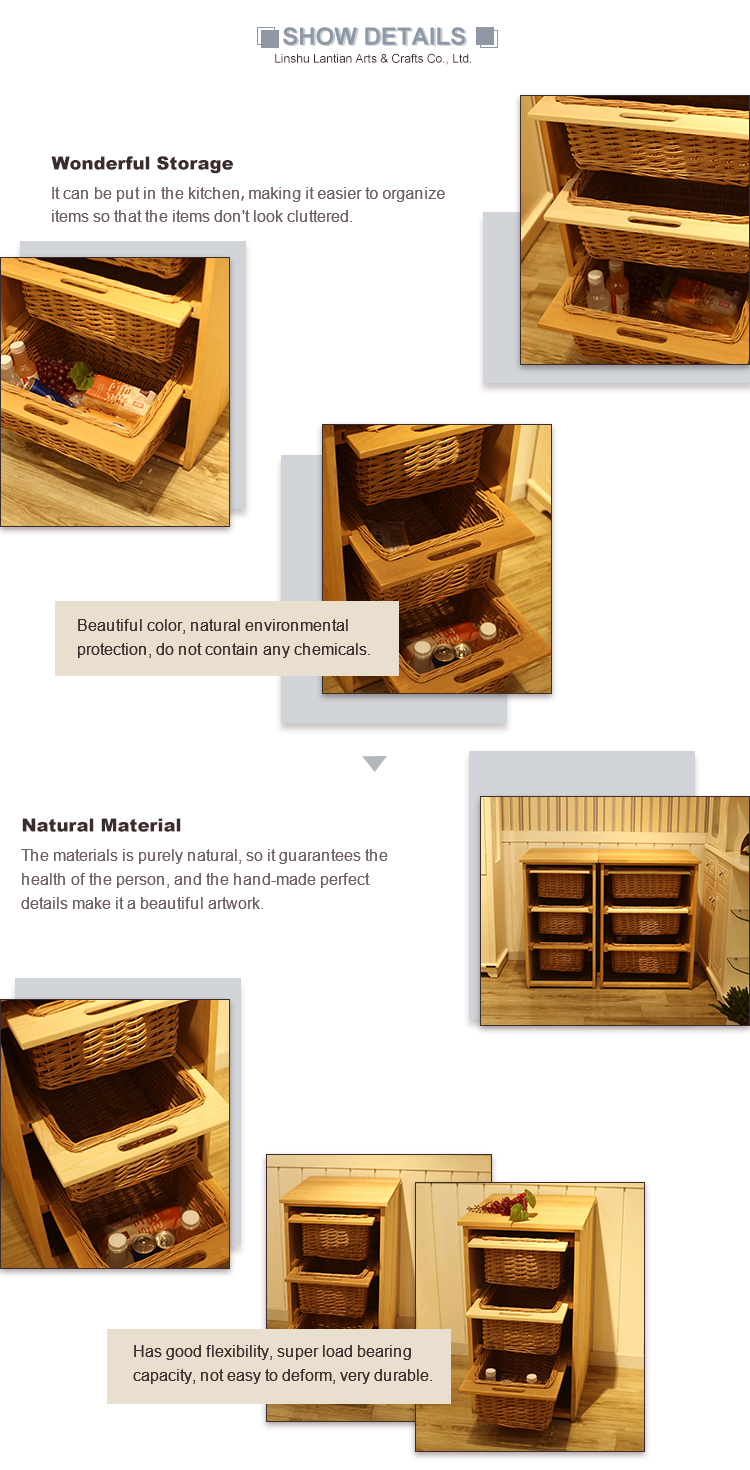
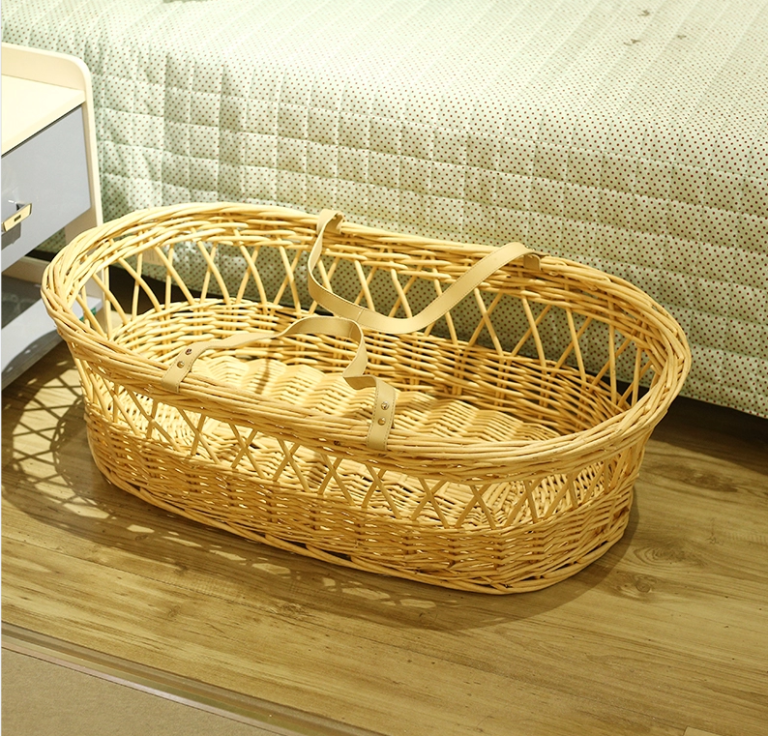
Today, Linyi in Shandong Province, China, is the global hub for willow craftsmanship. Factories like Roconly Linyi Crafts Co. and Phoenixnset crafts combine ancestral techniques with industrial scale. They leverage automated weaving and sustainable harvesting—willow is grown locally, soaked for flexibility, and hand-woven by artisans whose skills echo medieval practices. These factories export to Europe and North America, where demand for eco-friendly storage revives medieval aesthetics. For instance, Linyi-produced willow baskets now feature in modern kitchens as fruit holders, bread bins, and decorative storage, mirroring their historical roles yet tailored to contemporary tastes.
Innovation Through Centuries
Medieval willow storage faced challenges: durability against moisture and limited design scalability. Modern Linyi factories address these with innovations like water-resistant coatings and modular designs. Yet, the core philosophy remains—willow ’s renewal every harvest season aligns with circular economy principles, a practice medieval farmers intuitively embraced.
Conclusion: willow ’s Timeless LegacyFrom medieval kitchens to global markets, willow ’s journey epitomizes sustainable innovation. Its early role laid the foundation for today’s eco-conscious storage solutions, powered by China’s manufacturing prowess. As Linyi factories keep this craft alive, they honor a legacy where nature and human skill intertwine—proving that sometimes, the most advanced solutions are rooted in the past